Sept 26-29, 2026
Cleveland, Ohio
When
Enter When in WP Customizer
Where
Enter Where in WP Customizer
CALL FOR PRESENTERS
Enter Price in WP Customizer

Energy & Mobility STEM Scholars

Inspiring the Next Generation of Grid, Mobility and Infrastructure Innovators

A national platform for high-achieving students to research, publish, and present breakthrough work across energy systems, electrification, resilient infrastructure, aerospace, transportation, and advanced technologies shaping the future.

Students selected into the program will collaborate with industry mentors, develop publication-ready research, and present live at the Energy & Mobility Conference & Expo.

Apply Now – Limited Availability

About the Program

Shaping the Future. Powered by Students.


The Energy & Mobility STEM Program empowers motivated middle school, high school, and early university students to contribute original research on the technologies transforming America’s critical infrastructure.

Participants work in teams guided by experts and industry leaders, developing technical papers that meet conference publication standards. Topics span across energy systems, transportation electrification, future mobility, aerospace power systems, microgrids, resilience, AI-driven infrastructure, and next-gen materials.

Outstanding papers will be published, recognized on stage, and archived as part of the E&M Conference Proceedings.

Why This Program Matters

Students Don’t Just Learn—They Lead.

  • Solve real-world challenges shaping national infrastructure

  • Gain research and publication experience normally reserved for graduate students

  • Present findings to global experts

  • Build early career pathways in engineering, aviation, transportation, space systems, and energy innovation

  • Become part of a growing network of young thinkers helping reimagine the future grid and mobility ecosystem

Program Structure

A Guided Research Sprint
Students participate in a structured, mentor-led process designed to turn ideas into publishable research.

  1. Topic Exploration – Analyze energy, mobility, and infrastructure challenges and select a research direction.

  2. Research & Data Development – Learn methodologies, validate concepts, and build technical depth.

  3. Drafting & Review Cycles – Mentorship from industry experts, structured peer review, and editorial support.

  4. Final Paper & Presentation Prep – Polish final deliverables, create professional slides, and prepare for live presentation.

  5. Conference Presentation – Selected students present their work on stage at the Energy & Mobility Conference.

THE RESEARCH TRACKS

Where Students Can Contribute Meaningfully

Students choose from professionally relevant tracks:

  • image1
  • image2
  • image1
  • image1
 
  • image1
  • image2
  • image1
  • image1
 

Energy Systems & Electrification

  • Grid modernization – Study how digital upgrades improve grid reliability and resilience.

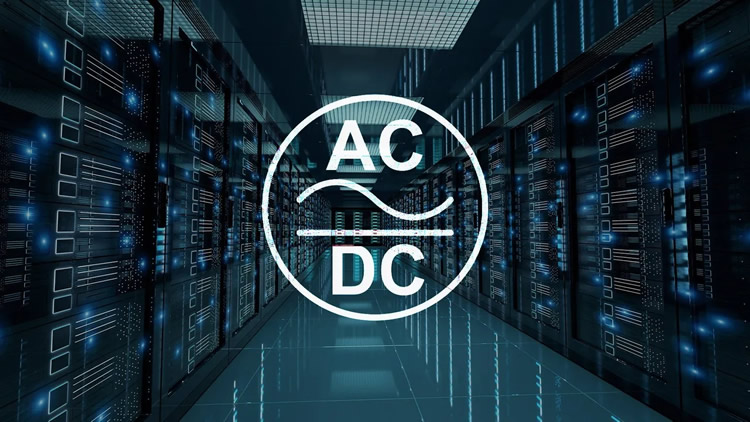
  • HVDC vs AC distribution – Compare DC and AC systems for efficient long-distance power delivery.

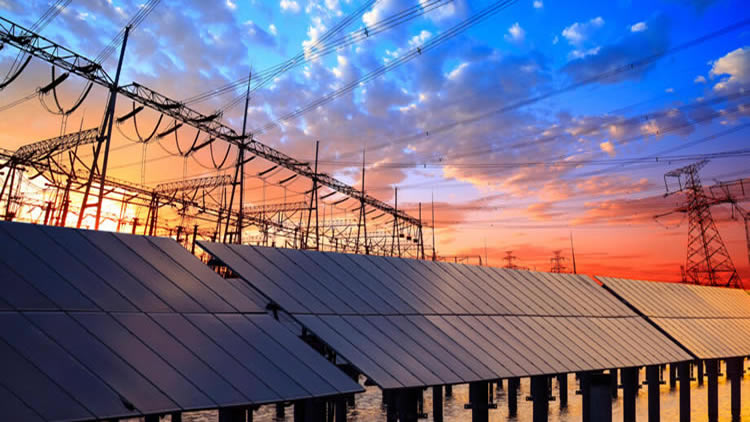
  • Renewable integration – Explore how to balance solar and wind with storage and grid operations.

  • Black-sky resilience – Assess strategies to withstand long-duration, widespread outages.

Future Mobility & Transportation

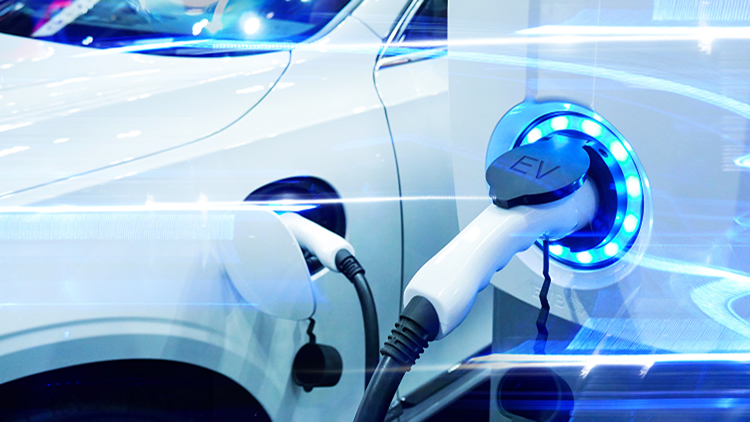
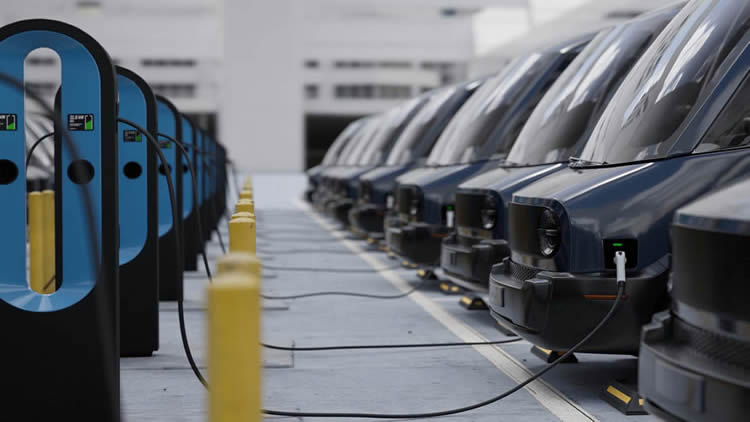
  • EV systems – Research advances in batteries, charging, and EV infrastructure.

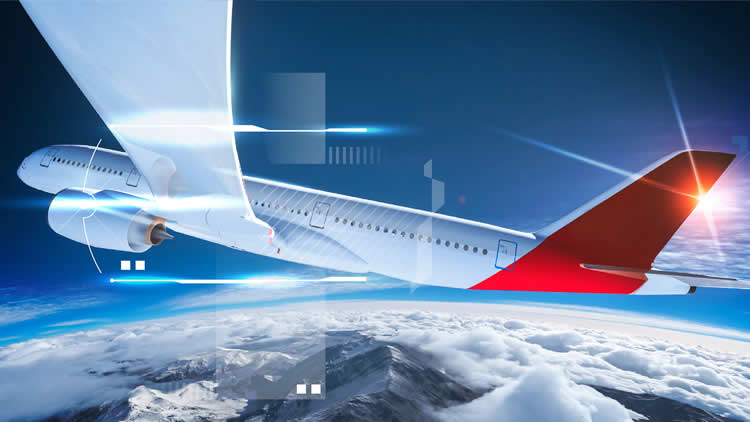
  • Aviation electrification – Examine emerging electric and hybrid aviation technologies.

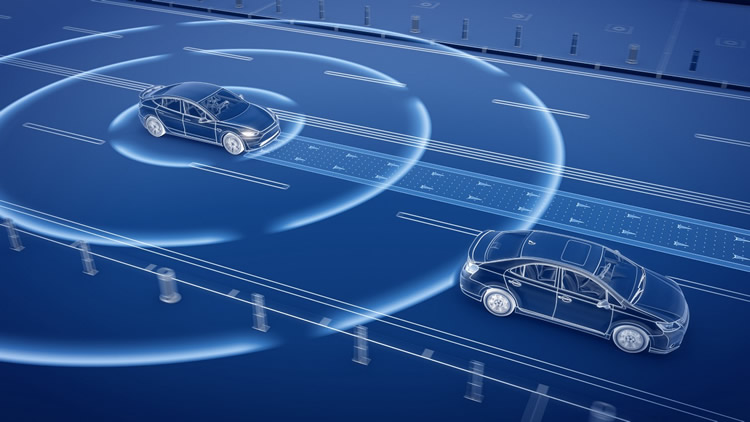
  • Autonomous mobility – Study AI and sensors that enable self-driving transportation.

  • Fleet decarbonization – Evaluate low-carbon pathways for commercial fleets.

  • image1
  • image2
  • image1
  • image1
 
  • image1
  • image2
  • image1
  • image1
 

Aerospace, Space Power & Materials

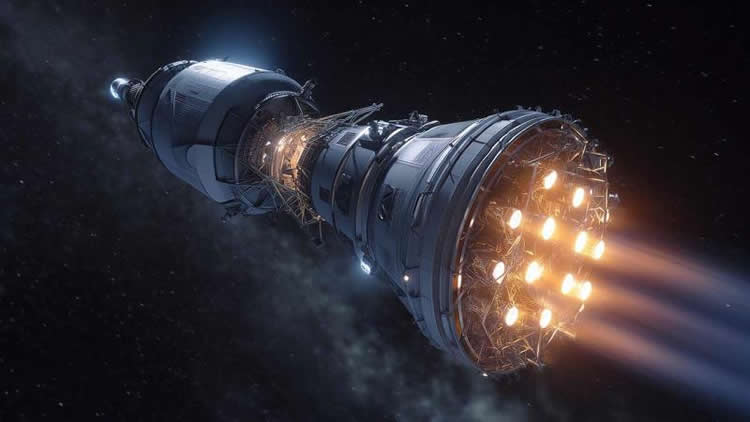
  • Propulsion technologies – Investigate new propulsion methods for air and space travel.

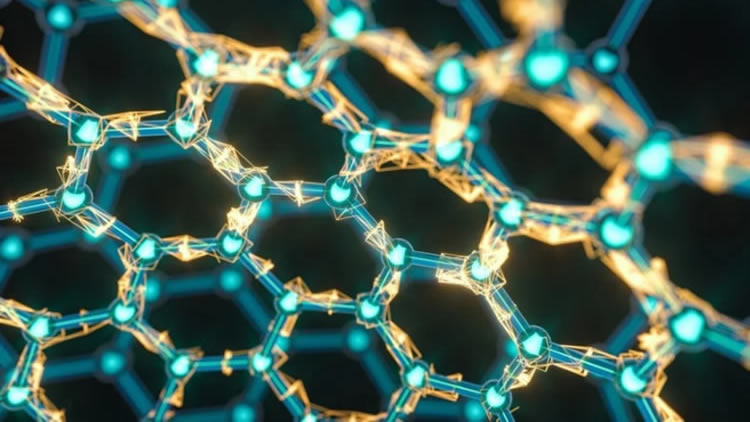
  • Advanced materials – Explore next-generation composites and high-performance materials.

  • Extreme-environment systems – Study systems built for harsh or high-stress conditions.

  • NASA-relevant research topics – Develop work aligned with NASA’s future missions.

Critical Infrastructure & Resilience

  • Cybersecurity – Examine ways to protect critical networks from cyber threats.

  • EMP/geomagnetic threats – Study how EMP and solar storms impact infrastructure.

  • Community microgrids – Explore microgrids that boost resilience and local reliability.

  • Distributed energy systems – Analyze the growing role of decentralized power solutions.

Student Benefits

Real Publications. Real Experience. Real Impact.

  • Publication in the E&M Conference Student Research Compendium – Students gain an official, peer-reviewed publication that strengthens academic and professional credibility.

  • On-stage or poster session presentation opportunities – Participants present their work to industry, government, and academic leaders at a national conference.

  • Professional mentorship – Each student receives expert guidance from sector professionals throughout their project.

  • Resume-accelerating experience valued by colleges and industry – The program provides real research credentials that stand out in admissions and hiring.

  • Certificate of Completion + Distinguished Honors recognition – Students earn formal recognition for their work, with top performers receiving honors distinctions.

  • Networking with national industry leaders – Participants build direct connections with influential organizations shaping the future of energy and mobility.

E&M Logo

Inspiring the Next Generation of Grid, Mobility, and Infrastructure Innovators

Apply Now – Limited Availability