March 29-31, 2027
CWRU Tinkham Veale Center
Cleveland, Ohio
CWRU Tinkham Veale Center
Cleveland, Ohio
An event over a decade in the making, ENERGY & MOBILITY: Technology, Systems, and Value Chain has evolved from the Cleveland based EnergyTech conference series, which established a solid reputation as an “integrating” event for professionals and engineers dealing with the “systems” challenges of the modern world. Since its inception, with principal sponsorship from INCOSE (International Council on Systems Engineering) and NASA (National Aeronautics and Space Administration), the conference also found support from institutions such as SAE, IEEE, ISA, AIAA, PMI, InfraGard, and others, as well as government agencies like FAA, DOE, DOD, DHS, FEMA, FBI, and others.
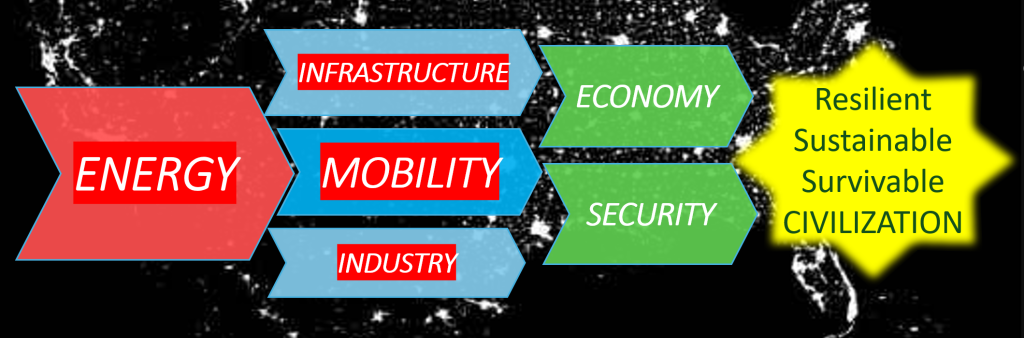
The idea then was simple in concept, derived from some core observations: 1) System Engineering is a mature discipline capable of solving complex, intractable problems; 2) our modern society has been plagued with a plethora of such problems, seemingly dormant but notably inherent within our infrastructure, and 3) some segments of our national infrastructure, like delivery of electricity, are vital to our continued civilized existence. The idea now, with SAE as a major organizing partner with Telepath Systems, and powered by Critical Ops, is to emphasize dual focus on the technology, systems, and value chain for these interdisciplinary sectors.
This event convenes professionals from across the global energy and mobility technical & business communities (including energy and infrastructure, aviation and space, autonomous control, automotive and commercial vehicles) to facilitate information sharing, technology transfer, conversations on key questions, cross-industry collaboration and synergistic approaches. These experts will support the advancement of energy and mobility sectors with modern technologies and configurations today, and facilitate their successful future convergence.
|
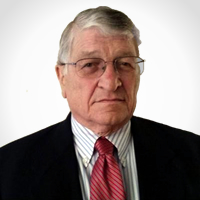
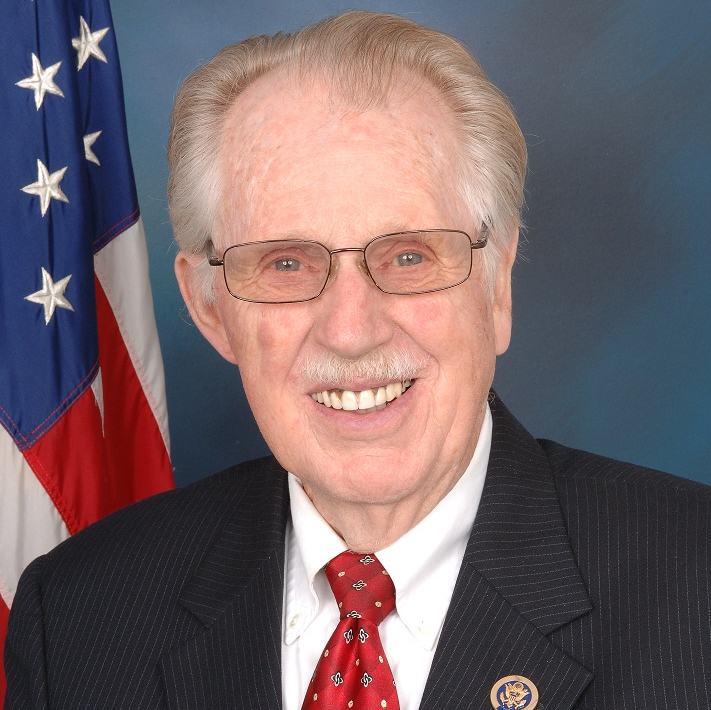
| Roscoe Bartlett Honorary Chair, Visionary Keynote Speaker, Distinguished Centenarian |

Transforming the Energy System: Essential Capacity, Security and Leadership with HVDC & GRID 2.0

Powering Mobility and Mobile Power: Achieving New Frontiers with Technology advancements
Microgrids: Decentralization, Island Mode, and Energy Democracy for Security and Resilience
Policy, Regulation, and AI Optimized Market Transformation for Economic Advantage
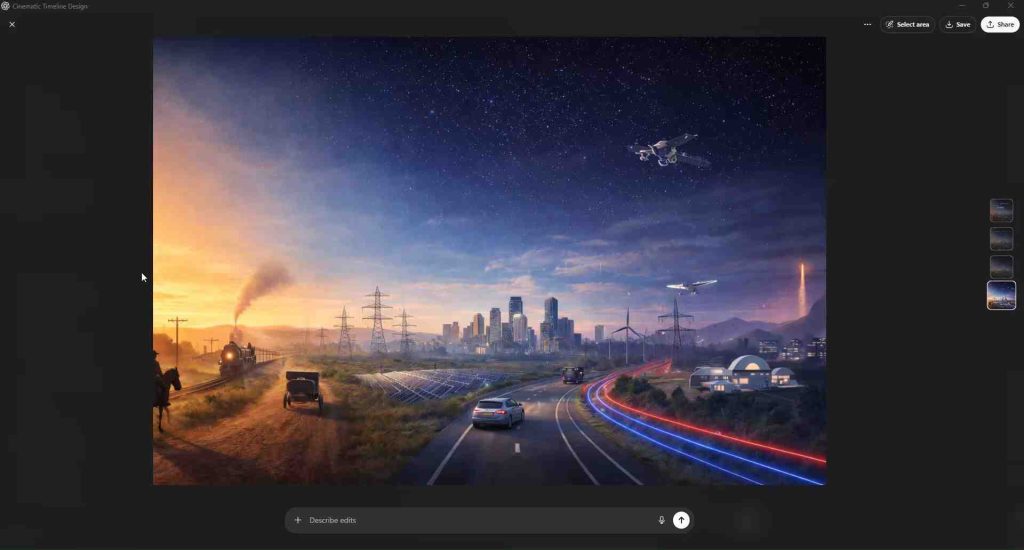
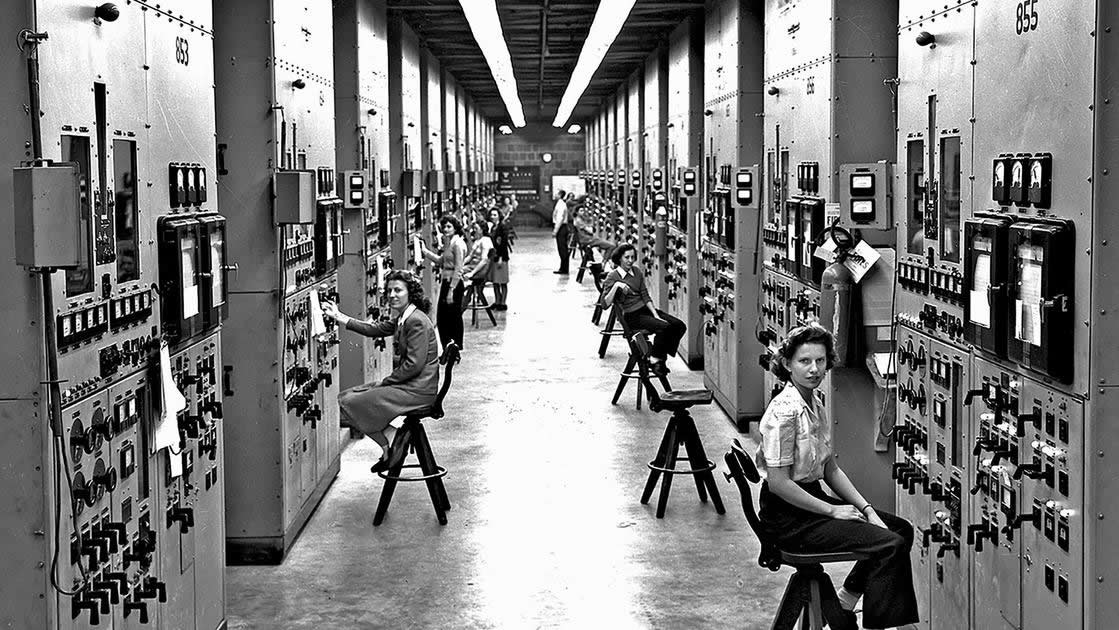
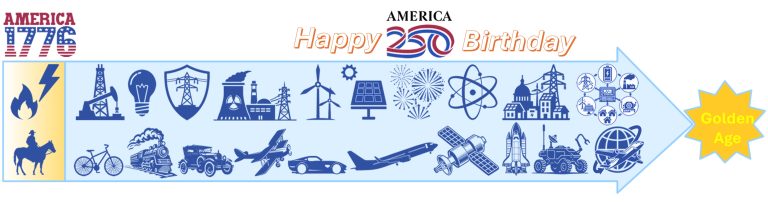
In a race against time and global threat, the nation’s brightest minds came together with unmatched focus and collaboration, delivering groundbreaking science that reshaped the course of history and demonstrated the power of decisive, coordinated action on a national scale.
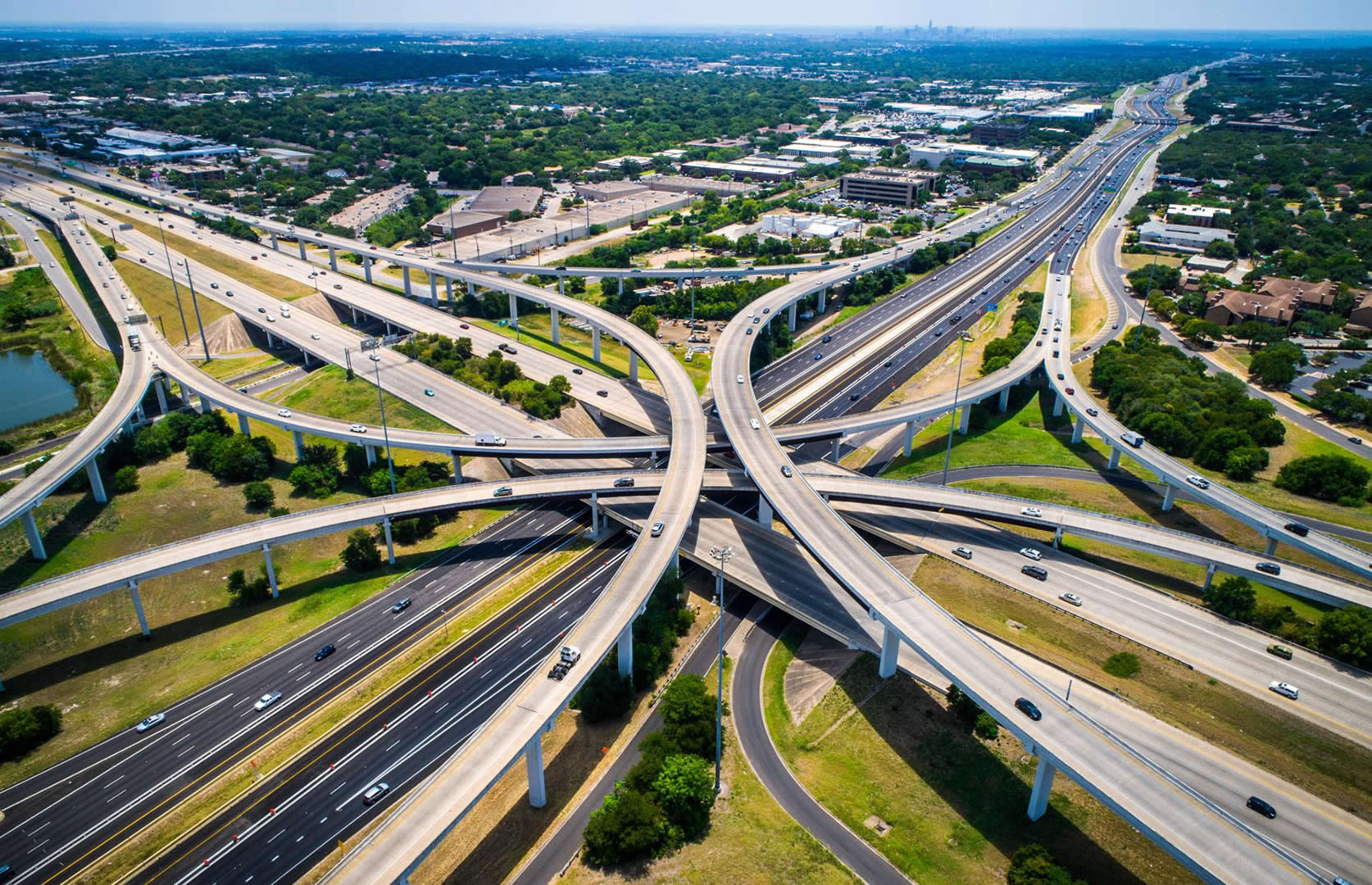
Facing the challenge of uniting a sprawling, car-driven nation, America built a seamless network of highways. This monumental feat didn’t just move vehicles — it connected communities, transformed commerce, strengthened national cohesion, and became the backbone of modern mobility.
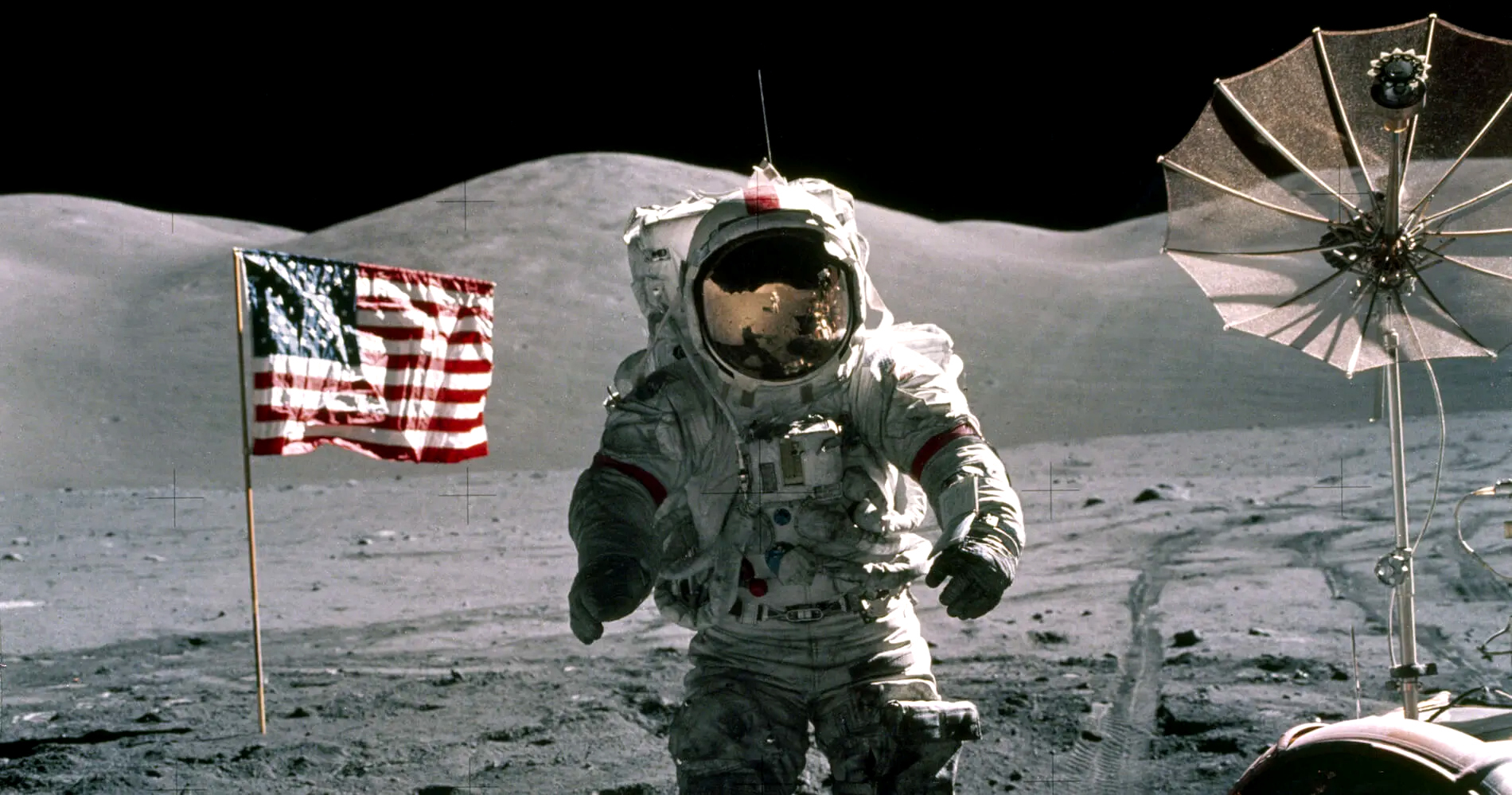
Tasked with reaching the Moon before the decade’s end, America fused ingenuity, determination, and audacious vision. This historic endeavor proved that no frontier — terrestrial or celestial — was beyond human grasp and set the stage for technological leaps for generations to come.

Confronting the limits of communication and computation, visionary minds designed the first digital networks. ARPANET ignited the information revolution, fundamentally transforming how the world connects, collaborates, and innovates in the modern era. It laid the foundation for the connected, digital world we rely on today, proving that pioneering technology can redefine society itself.
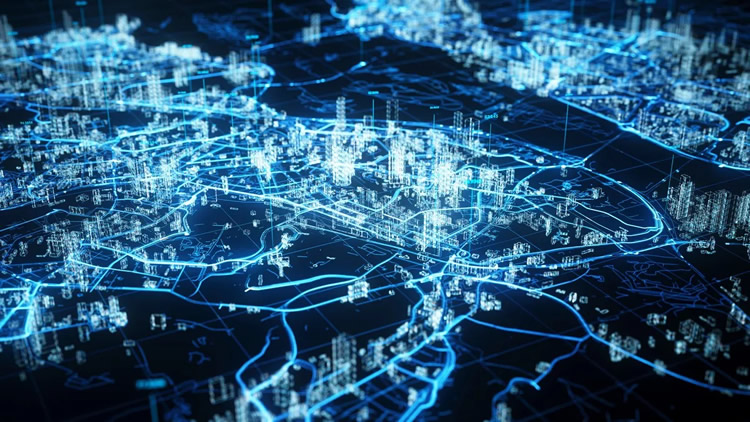
Today, facing an unprecedented surge in AI-driven energy demand, electrification of transportation, and the reshoring of critical manufacturing, America is uniting its full energy ecosystem to convert the grid from AC to HVDC. This historic movement secures national capacity, resilience, and leadership — powering the next century of innovation and establishing GRID 2.0 as the foundation for a sustainable, modern civilization.